Explore TECHNAL's Sustainability Commitment
Learn how our sustainability strategy supports circular construction, decarbonisation and responsible product development.
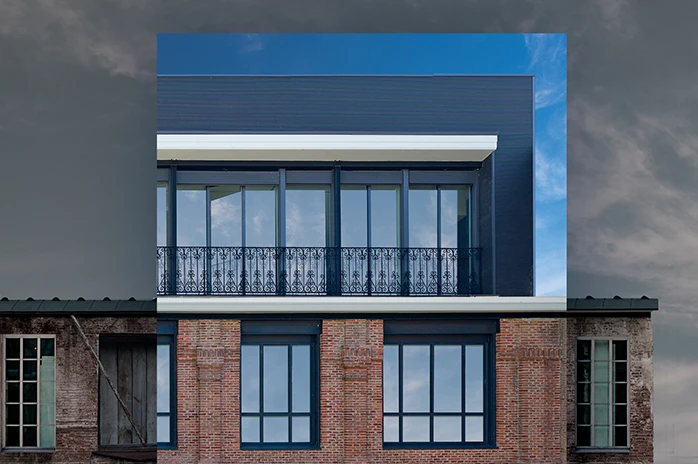
We turn yesterday´s facades into today´s building envelopes
“With 39% of global CO2 emissions and 75% of construction waste still not recovered (landfilled or incinerated),new regulations, taxonomies and laws are pushing for circular construction."
When circularity meets renovation, it unlocks real value - for businesses, partners, and the entire construction industry.
This YouTube video is blocked because you declined third-party cookies. To view it, please allow Marketing cookies
Keeping materials in use for longer
In a traditional construction model, materials are extracted, used and eventually discarded. Circular construction takes a different approach. It focuses on designing buildings and products that can be maintained, reused, refurbished and recycled, keeping valuable materials in circulation for as long as possible.
For aluminium, this means reducing waste, lowering carbon emissions and preserving resources, all while delivering high-performance buildings.
Through low-carbon aluminium, dynamic environmental product declarations (EPDs) and our take-back initiatives, TECHNAL helps customers keep materials in use for longer and reduce the environmental impact of their projects.
Because aluminium can be recycled again and again without losing its properties, every renovation project has the potential to become a valuable resource for the future.
Learn how our sustainability strategy supports circular construction, decarbonisation and responsible product development.
See how high recycled content aluminium can help lower embodied carbon emissions and support circular building design.
Are you planning a refurbishment or renovation project? Speak to our team about recovering aluminium systems, reducing waste and supporting a more circular approach to construction.
Are you ready to embrace circularity? Talk to us about circular project solutions that reduce waste, reuse resources, and deliver long-term value with our sustainable aluminium windows, doors, and facades.
This YouTube video is blocked because you declined third-party cookies. To view it, please allow Marketing cookies
Delivering Circular Construction in the Real World
The built environment is under pressure to decarbonise, and renovation is the key. Our new white paper How to Achieve a Circular Renovation, explores practical steps to reduce carbon, recover valuable materials, and future-proof assets.
Discover how circular approaches like selective deconstruction, recycled aluminium Hydro CIRCAL®, and designing for disassembly can cut carbon emissions, lower costs, and enhance building value.
Explore expert perspectives, industry guidance and practical resources on circular construction, low-carbon materials and closing the loop across the built environment.
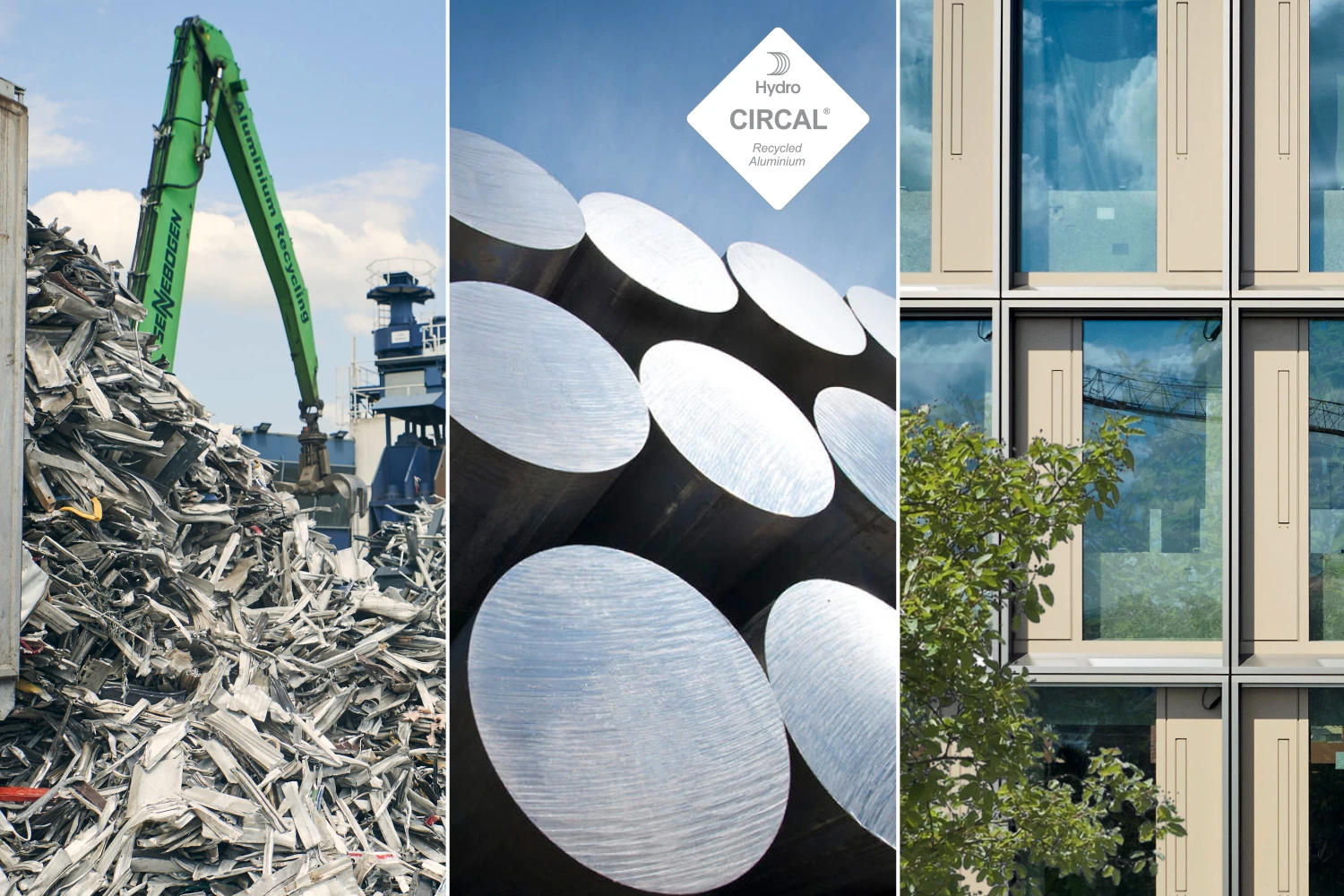
STEP 1: Renovation of Buildings Renovating buildings creates material flows and reuses existing resources. Cities are full of valuable materials, yet 75% of construction waste is unrecycled.
STEP 2: Recover End-of-Life Aluminium Systems We partner with builders to reclaim old aluminium systems. Unlike other materials, aluminium is fully and infinitely recyclablein retaining its properties after each use, making it highly valuable.
STEP 3: Dismantling and Sorting Builders dismantle frames, sorting out aluminium, glazing and EPDM gaskets. We handle the aluminium, while partners recycle the rest. In selling us the aluminium, metal builders work with a circularity manage for seamless logistics and traceability
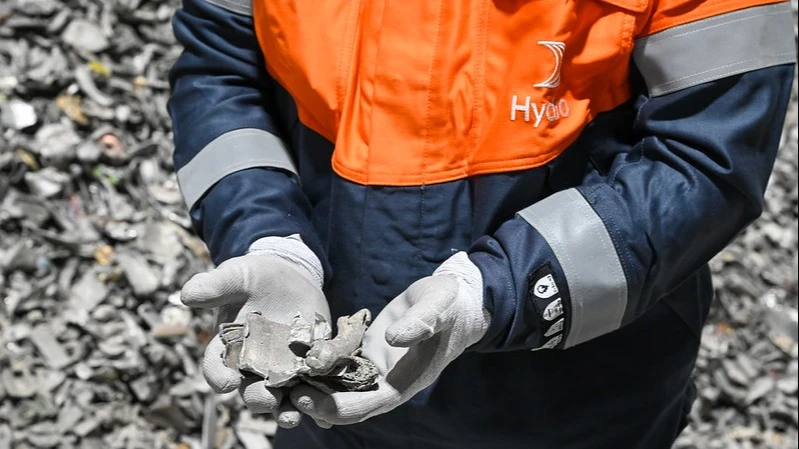
STEP 4: Shredding & Sorting At HYDRO plants around the world, shredded aluminium is separated from other metals. The right alloys go to the melting plant, while polyamide and EPDM chips are also sorted for recycling.
STEP 5: Remelting Aluminium is remelted, saving 95% of the energy compared to primary production. Hydro CIRCAL 75R reduces CO2 emissions by 85% compared to global averages
STEP 6: Back to Material Manufactured with sustainable operations and a sourcing of recycled materials to close the loop and reduce drastically CO2 footprint
STEP 7: Back to new Aluminium Systems Made with 75% recycled content and recyclable at 95%, demonstrating circular design. They reduce energy consumption, have longer lifespans and are easier to maintain, dismantle, and recycle
STEP 8: Back to Buildings Digital Product IDs enable full traceability, supporting maintenance and recycling. Products meet future needs and help preserve building value