Renovation as a driver of building value
Why upgrading existing assets now protects future returns
Investment performance is no longer defined by purchase price alone.
For developers and property owners, building value is no longer defined solely by acquisition cost or short-term yield. Increasingly, it's shaped by how well an asset performs against tightening energy, carbon and comfort expectations - and how resilient it remains as regulation continues to evolve.
Across the UK and Ireland, the majority of buildings that will be in use in 2040 and beyond already exist. In this context, renovation has become one of the most effective levers for increasing asset value, extending building life and maintaining competitiveness in a changing market.
Well-planned renovation enables owners to reposition existing buildings to meet modern standards of energy efficiency, occupant wellbeing and regulatory compliance - without the cost, risk or carbon burden of demolition and rebuild.

From liability to opportunity: why underperforming buildings lose value
Buildings that fail to keep pace with regulatory and market expectations face growing commercial pressure. Poor thermal performance, outdated facades and inefficient envelopes increasingly translate into:
Higher operational costs and reduced net income
Lower tenant demand for inefficient, uncomfortable spaces
Increased capital risk, as upgrades become unavoidable rather than strategic
Downward pressure on exit value, as buyers factor future compliance costs into pricing
By contrast, renovation allows building owners to address these risks proactively, rather than reactively - protecting income streams and long-term valuation.
Renovation Improves Value by Improving Performance
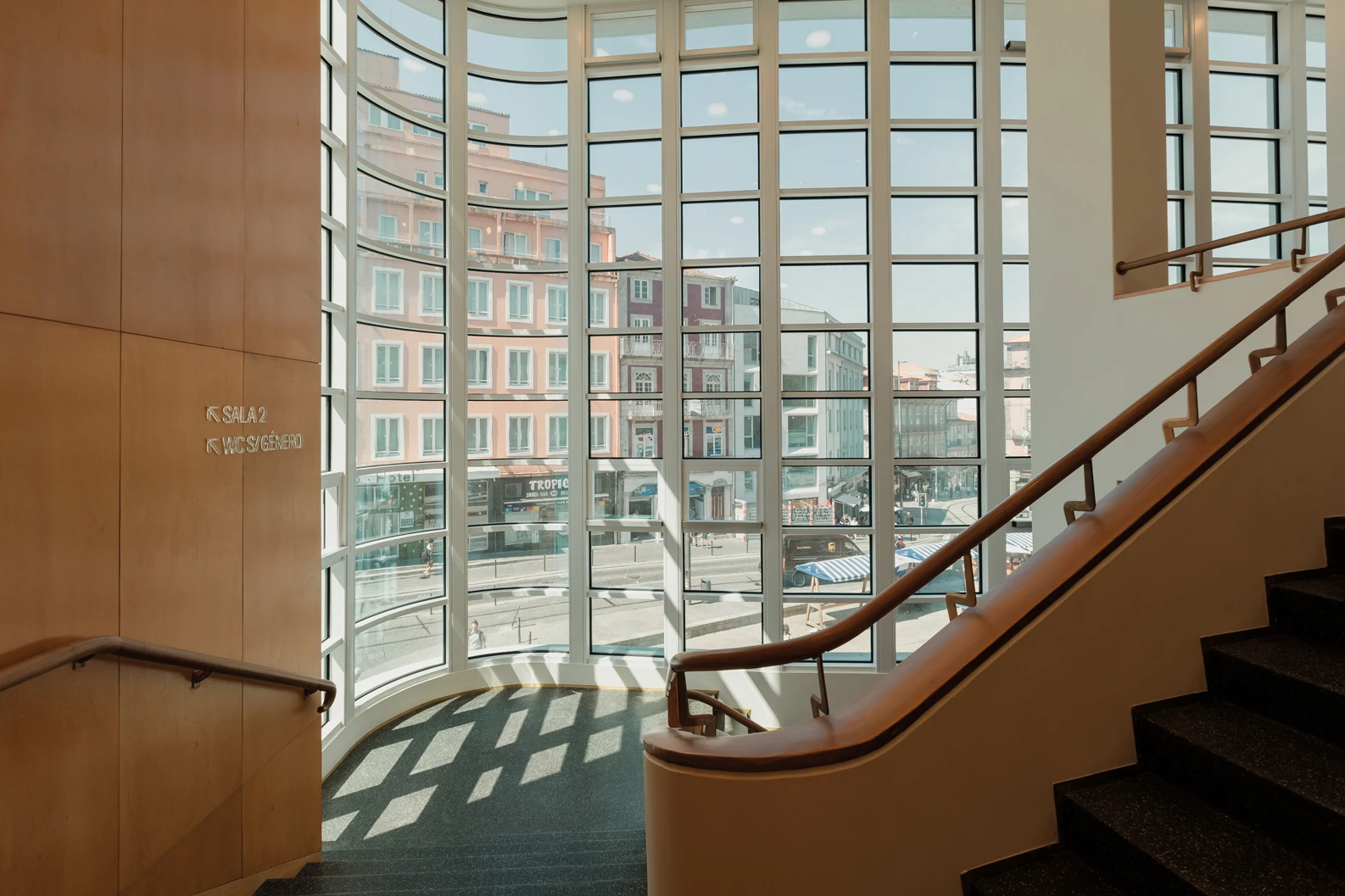
Strategic renovation directly enhances the metrics that underpin building value. Upgrading facades, windows and doors improves:
Energy efficiency, reducing heating and cooling demand
Operational performance, lowering running costs over the lifetime of the asset
Occupant comfort, supporting retention and rental stability
Compliance readiness, reducing exposure to future regulatory change
High-performance building envelopes play a critical role in this process. By improving thermal, acoustic and weather performance, renovation delivers measurable gains without altering the building's footprint or use - a key advantage in urban and occupied settings.
For building owners, renovation has become a strategic investment. Done well, it strengthens performance today and safeguards value tomorrow.
Regulation as a Value Signal - Not just a Constraint
Energy and carbon regulation across the UK and Ireland is becoming more demanding, regardless of economic cycles. Rather than viewing this solely as a compliance burden, forward-looking owners increasingly see regulation as a value signal.
Buildings that are upgraded early benefit from:
Smoother capital planning, avoiding rushed or disruptive retrofit programmes
Reduced risk of temporary obsolescence or "stranding"
Greater certainty at valuation and disposal, as future works are already addressed
Renovation embeds performance improvements earlier in the asset lifecycle, strengthening long-term resilience and reducing uncertainty for owners, occupiers and investors.
Renovation Without Disruption: Protecting Income During Upgrade
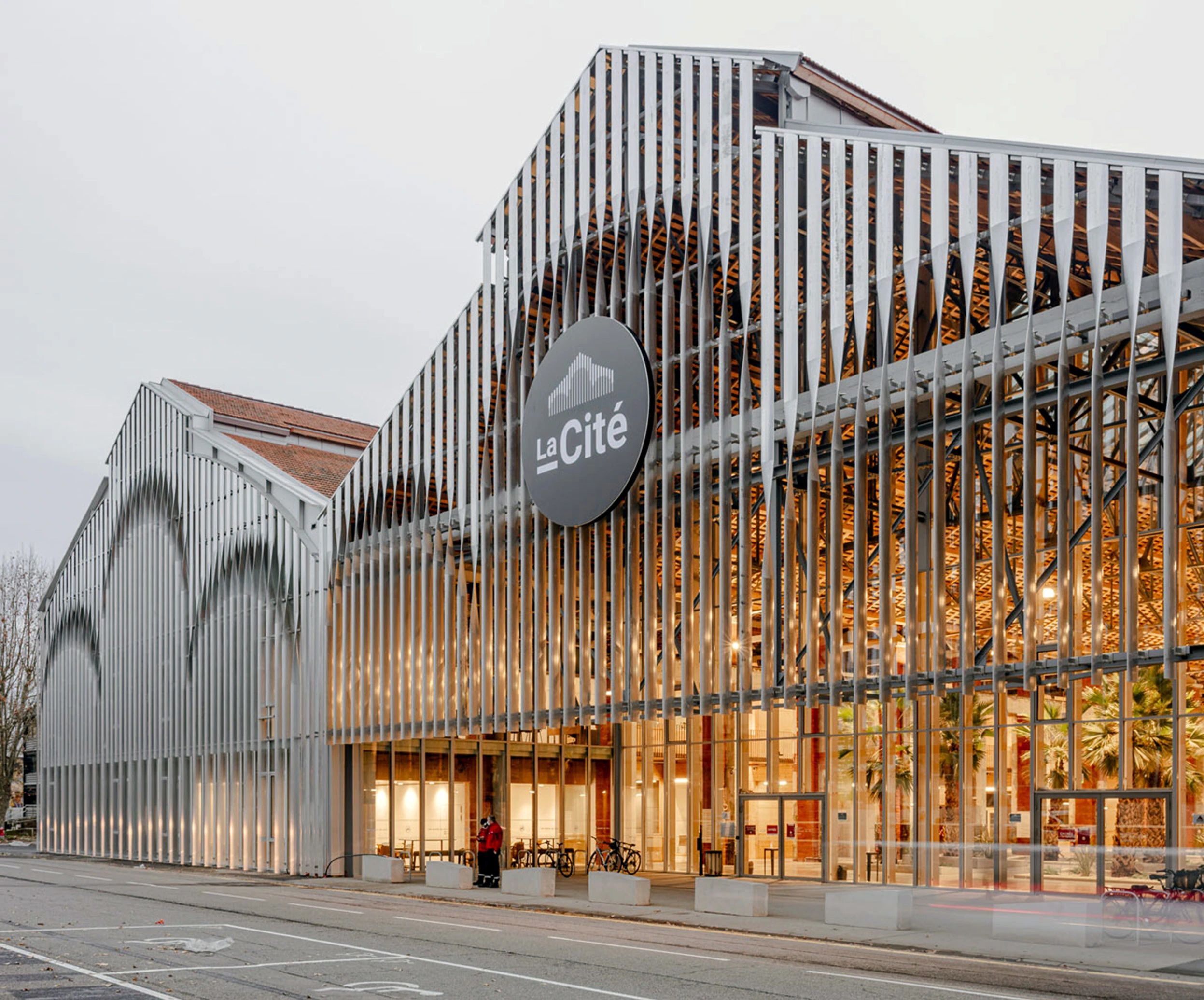
One of the strongest commercial arguments for renovation over replacement is the ability to upgrade buildings while they remain in use.
TECHNAL systems are designed to support refurbishment programmes in occupied buildings, enabling facade, window and door upgrades with minimal disruption. This allows owners to:
Maintain rental income during works
Avoid decanting or temporary relocation costs
Deliver phased improvements aligned with lease events
This approach protects cash flow while still delivering meaningful performance and value uplift - a critical consideration for commercial and residential portfolios.
Materials that Support Long-Term Value
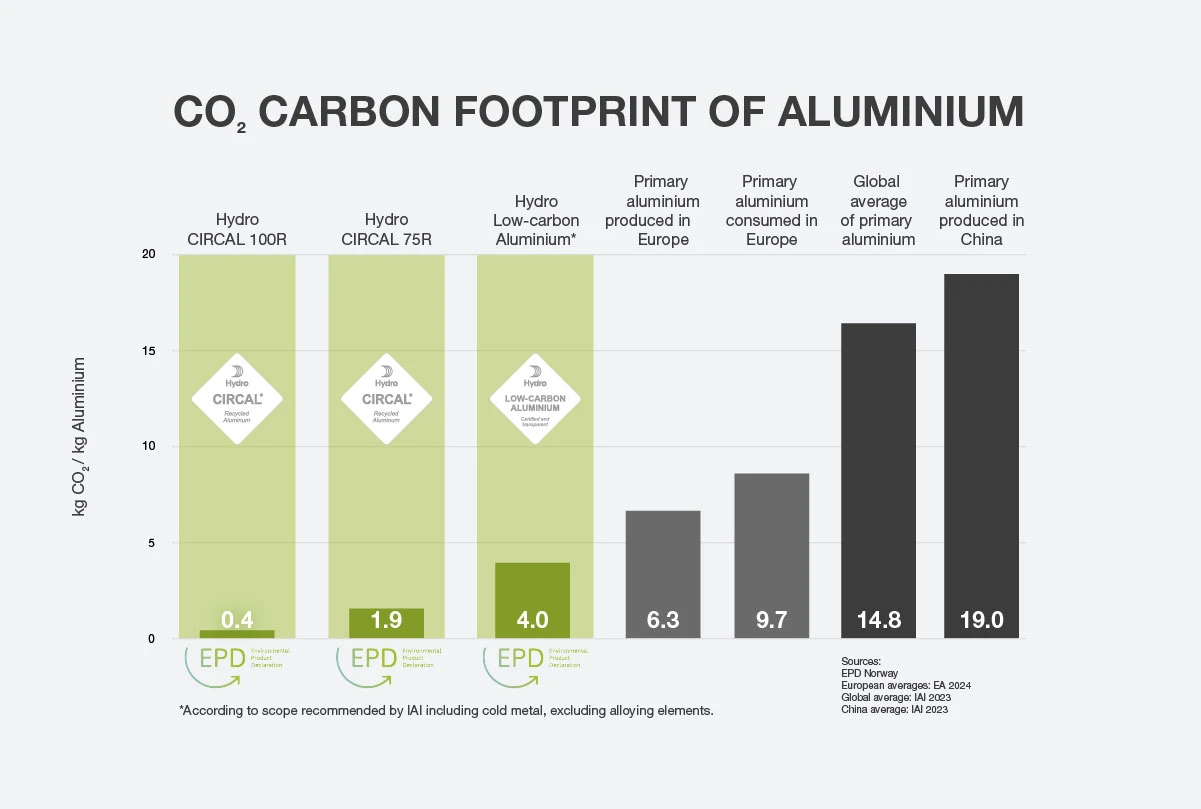
While renovation strategy leads, material choice still matters. TECHNAL aluminium systems are manufactured using Hydro CIRCAL® low-carbon aluminium, made with a minimum of 75% recycled post-consumer scrap. This reduces embodied carbon while maintaining durability, performance and design freedom.
For building owners, this supports:
Stronger ESG credentials aligned to asset value
Long service life and low maintenance requirements
Compatibility with environmental certification pathways
Crucially, sustainability is delivered without compromising architectural quality or operational performance, reinforcing renovation as a value-led decision rather than a purely environmental one.
Video unavailable due to cookie preference
This YouTube video is blocked because you declined third-party cookies. To view it, please allow Marketing cookies