How Smart Refurbishment Increases Investment Returns in Older Buildings
Why low-carbon refurbishment is becoming a strategic investment decision
Across the UK and Ireland, older buildings represent a significant proportion of commercial real estate portfolios. Traditionally, these assets have been viewed as a balance between attractive acquisition pricing and long-term capital expenditure risk.
Today, that equation is changing.
Investment performance is no longer defined by purchase price alone. It's increasingly shaped by how effectively existing buildings are retained, upgraded, and aligned with tightening carbon regulations, occupier expectations and capital market requirements. In this context, smart refurbishment is not a cosmetic exercise - it's a structural intervention that directly influences asset value, income resilience and exit outcomes.
TECHNAL, part of Hydro, supports this transition through high-performance aluminium facade, window and door systems designed specifically for low-carbon refurbishment and circular renovation strategies.
Refurbishment as a return driver, not a cost centre
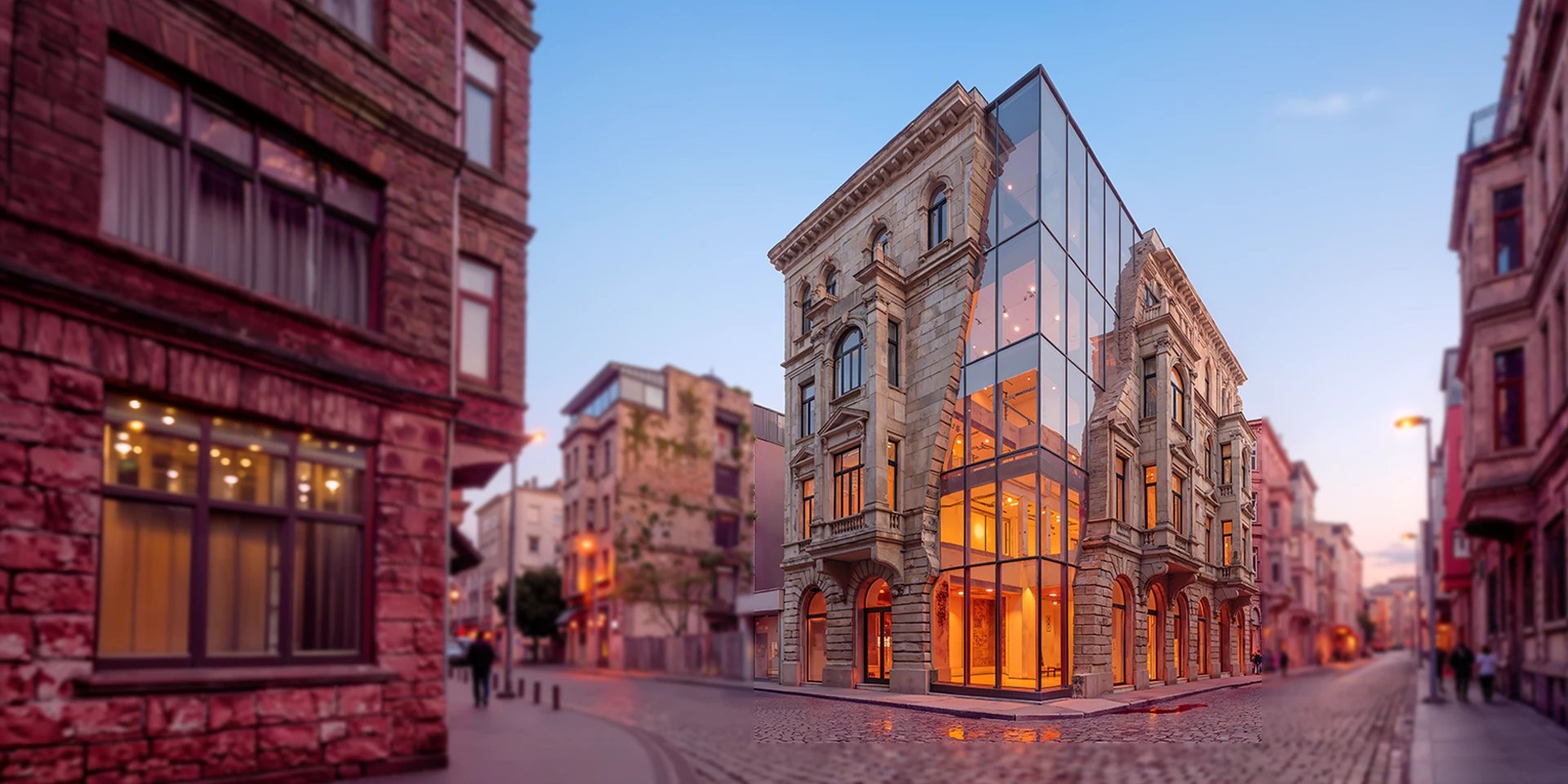
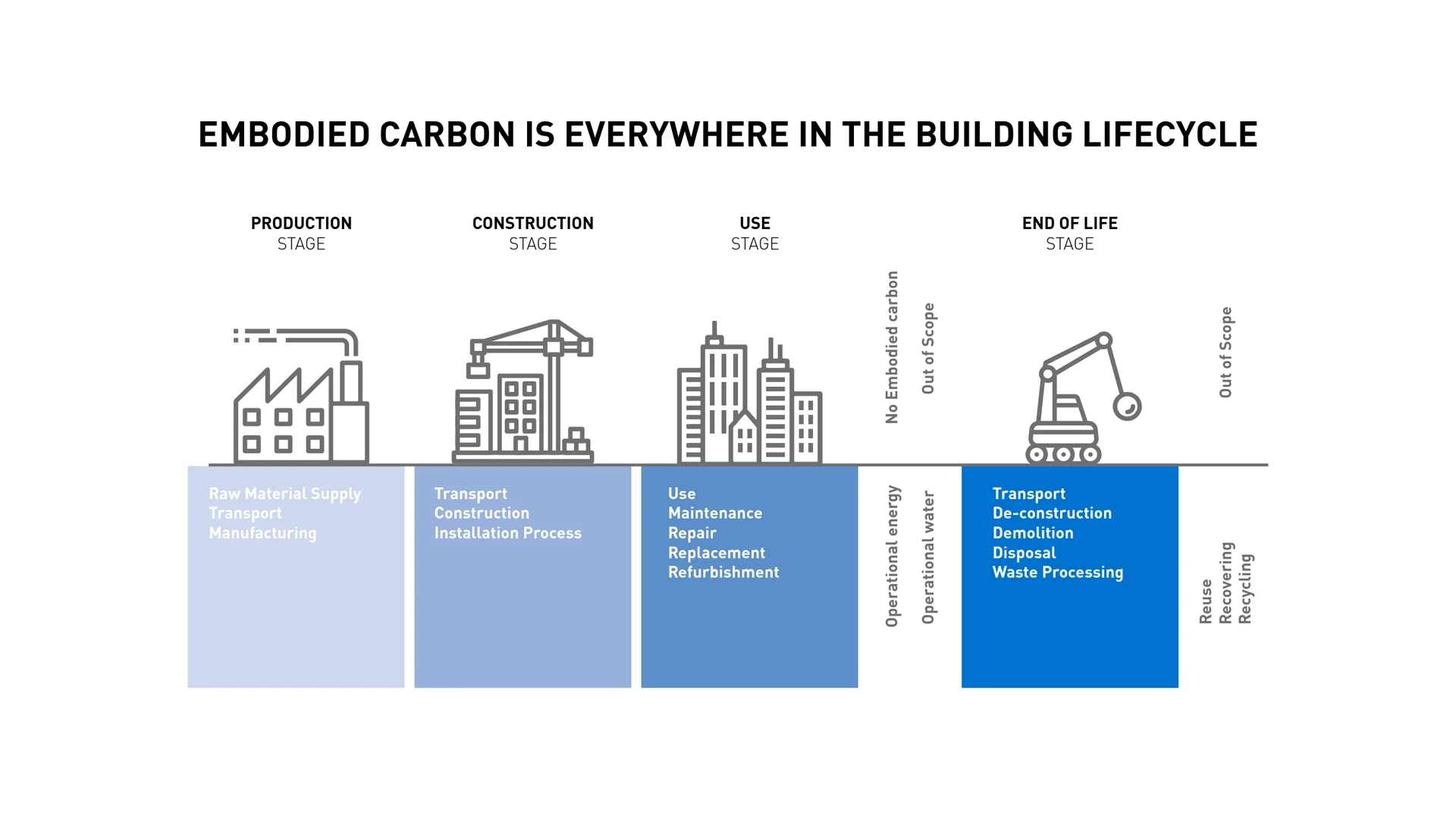
Refurbishing existing buildings delivers a clear environmental and financial advantage. Retaining the primary structure avoids the substantial embodied carbon associated with demolition and rebuild, while targeted upgrades can dramatically improve operational efficiency.
Industry data consistently shows that refurbishment can reduce carbon emissions by 50 - 75% compared to new build, while protecting assets from future value erosion linked to poor environmental performance. For investors, this directly impacts returns by reducing exposure to:
Regulatory non-compliance and unplanned capex
Declining tenant demand for inefficient buildings
Exit pricing pressure linked to so-called "brown discounts"
By contrast, buildings that are proactively refurbished and upgraded are better positioned to remain compliant, competitive and liquid as standards tighten.
Carbon regulation and asset risk: planning early protects value
Energy and carbon disclosure requirements are becoming more stringent across the UK and Ireland, regardless of market cycles. Delaying action does not remove cost - it concentrates it.
From an investment perspective, this creates a clear risk-return dynamic:
Late compliance often results in rushed, inefficient refurbishment programmes
Assets may become temporarily unlettable or stranded
Uncertainty around future compliance undermines valuation confidence
Smart refurbishment mitigates this risk by embedding carbon performance improvements early in the asset lifecycle. Upgrading facades, glazing a buillding envelopes enables smoother capital planning, reduces regulatory exposure and strengthens long-term asset resilience.
TECHNAL aluminium systems are designed to support compliance with current and emerging building regulations, while providing the flexibility required for refurbishment of occupied or constrained sites.
Improving operating performance through facade and glazing upgrades
One of the more direct links between refurbishment and returns is operating performance.
Facades and glazing play a critical role in energy consumption, occupant comfort and building appeal. Upgrading these elements using high-performance aluminium systems can:
Reduce operational energy demand
Improve thermal comfort, daylighting and acoustic performance
Enhance the architectural quality and usability of the building
Lower energy consumption translates into reduced operating costs, while improved building quality supports stronger tenant demand. Together, these factors help deliver more resilient net operating income, rather than relying solely on rental growth assumptions.
Capital markets, liquidity and carbon performance
Carbon performance is now directly influencing access to capital.
Investors and lenders increasingly favour assets that demonstrate strong environmental credentials, robust ESG reporting and reduced transition risk. Efficient, low-carbon buildings are more likely to:
Attract broader pools of capital
Benefit from preferential or lower-cost financing
Maintain stronger liquidity at exit
For older assets, refurbishment is therefore not just about income during the hold period. It's about preserving optionality - ensuring buildings remain attractive to buyers, lenders and occupiers as market conditions evolve.
Tenant demand as a stabiliser of long-term cashflow
Occupiers are no longer passive participants in this equation. Many tenants now require low-carbon, energy-efficient space to meet their own ESG and reporting obligations.
Inefficient buildings increasingly face longer void periods, weaker covenants and reduced leasing competitiveness. In contrast, refurbished buildings with improved environmental performance are better positioned to:
Secure and retain tenants
Shorten leasing cycles
Stablise cashflows over time
High-performance facades are central to delivering the comfort, daylight and energy efficiency tenants expect in modern commercial spaces.
Delivering low-carbon refurbishment in practice
Low-carbon refurbishment is achieved through material choice, system performance and circular execution.
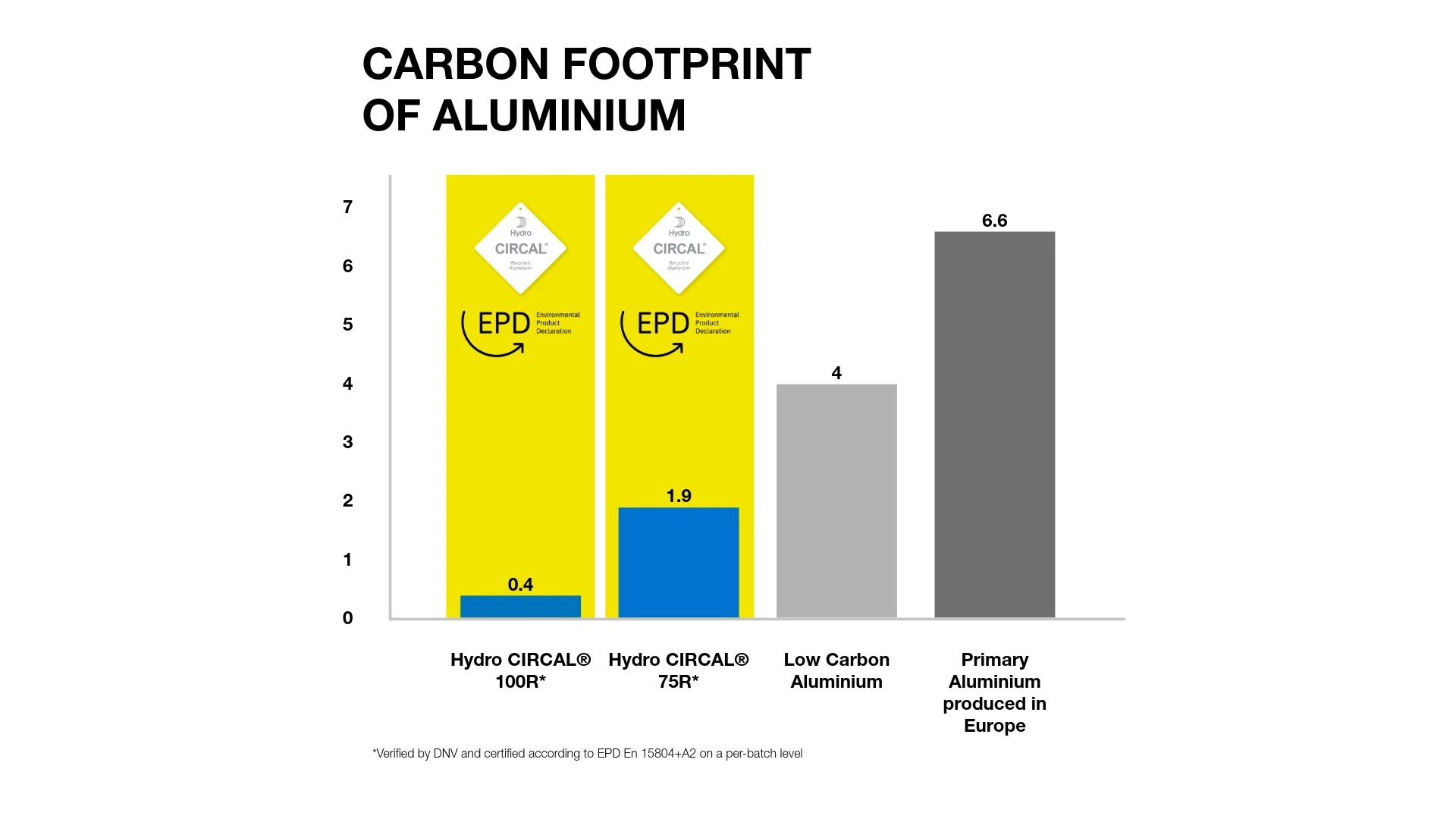
TECHNAL aluminium systems are manufactured using Hydro CIRCAL® recycled aluminium, including grades such as Hydro CIRCAL® 75R and Hydro CIRCAL® 100R, which contain a minimum of 75% and 100% post‑consumer recycled content respectively. These solutions can reduce embodied carbon by up to 95% compared to primary aluminium, without compromising strength, durability or thermal performance.
Circularity is equally as important. Aluminium take-back and recycling schemes enable materials from existing facades and windows to be recovered and reintroduced into new TECHNAL systems. This reduces landfill waste, supports ESG auditability and strengthens whole-life carbon performance across refurbishment projects.
Refurbishment as value preservation and return optimisation
Low-carbon refurbishment is not just a sustainability spend. It is a strategy for value preservation and return optimisation.
For older buildings, performance is increasingly shaped by how effectively assets are retained and improved, rather than replaced. When refurbishment is approached as as "retain and improve" strategy it:
Preserves asset value
Reduces regulatory and obsolescence risk
Improves operating performance
Enhances liquidity and exit resilience
TECHNAL supports investors, developers and design teams in delivering refurbishment strategies that protect long-term value while supporting the transition to a net-zero built environment.
Want to see more?
You may also be interested in
Let's Discuss Your Next Project
From concept design to specification and delivery, our team can help you achieve your design, performance and sustainability goals.
Contact us