Beyond the Products: Making sense of sustainability, circularity and embodied carbon
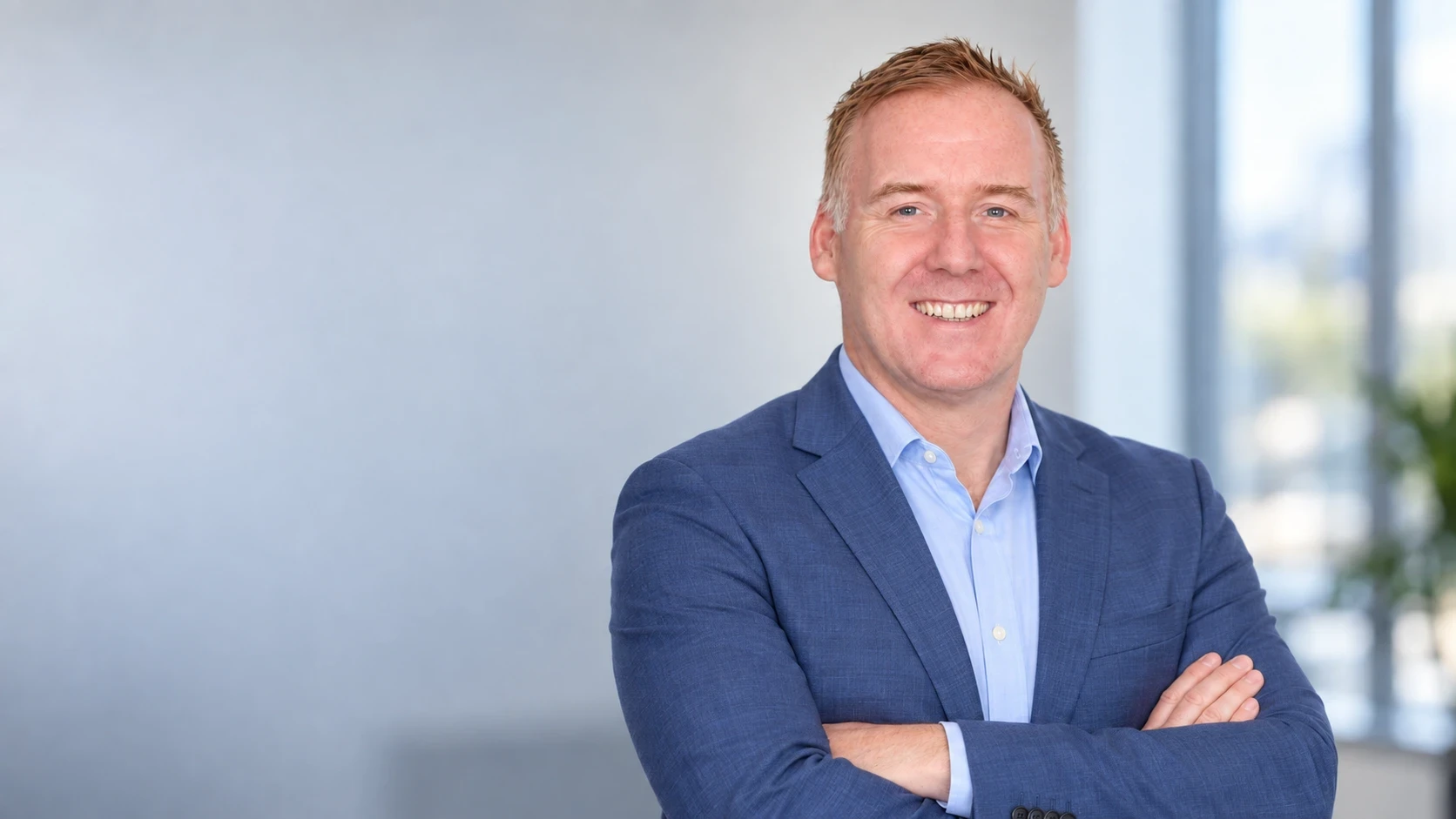
Martyn Wright explains why embodied carbon, circular aluminium and early project engagement are important across construction in the UK and Ireland
Sustainability has become one of the biggest drivers of change in construction. Whether it's net zero targets, environmental reporting requirements or client expectations, project teams are being asked to understand the environmental impact of their decisions more than ever before.
For many people, terms such as embodied carbon, circularity and low-carbon materials can still feel complex, particularly when there is no shortage of claims, certifications and data to navigate.
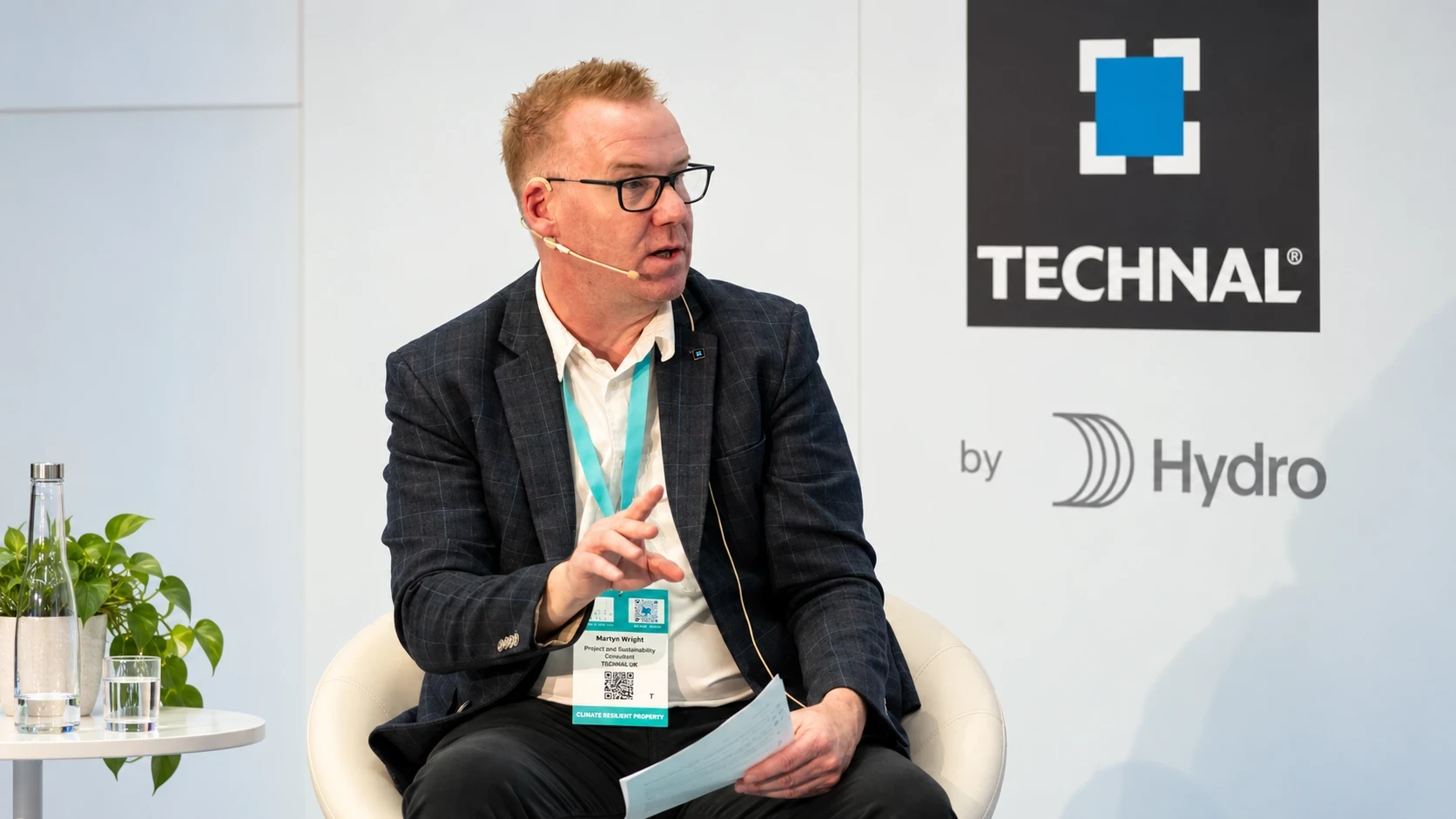
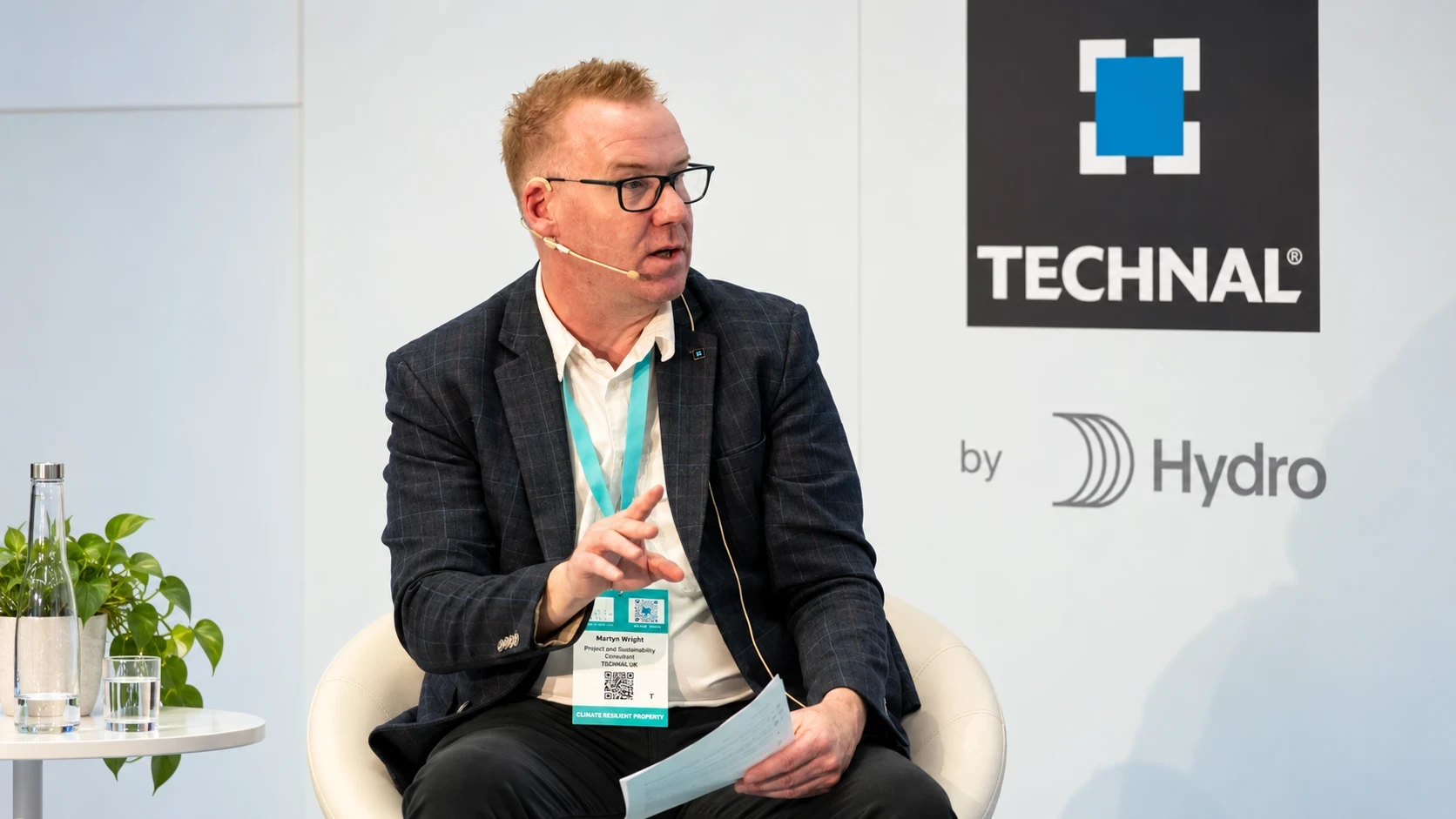
We spoke to Martyn Wright, Project and Sustainability Consultant at TECHNAL UK & Ireland, to discuss the issues shaping the industry, what project teams should be looking out for and why some of the most important sustainability decisions happen long before a facade reaches site.
Sustainability, embodied carbon and circularity are all terms we hear regularly. How would you explain them in simple terms?
Embodied carbon is the total emissions associated with creating a building. That includes extracting raw materials, manufacturing products and transporting them to site. Put simply, it's the carbon impact before a building is even occupied.
True circularity is about preserving the quality and value of the material, not simply recycling it.
Circularity is about what happens to materials after they've completed their first life. Rather than becoming waste, materials remain in circulation through reuse and recycling and are used again.
Aluminium is one of the best examples of a circular material because it can be recycled indefinitely without losing its properties. The important thing is preserving the material through the recycling process. A facade extrusion should ideally become a facade extrusion again, rather than being recycled into a lower grade product.
Why have embodied carbon and material selection become such important considerations in recent years?
The construction industry is responsible for around 38% of global carbon emissions. Of that, 11% relates to embodied carbon and 28% comes from operational emissions once a building is in use.
At the same time, carbon targets are becoming more demanding and legislation continues to evolve. Clients are increasingly required to account for the emissions associated with their projects, while many organisations are actively looking for ways to reduce environmental impact and improve long-term building performance.
We've also seen policies such as the London Plan bring embodied carbon further into mainstream project discussions. As a result, project teams are paying much closer attention to where materials come from, how they're made and the impact they'll have over the building's lifecycle.
How much influence can a facade have on a building's overall carbon footprint?
The facade isn't typically the largest contributor to embodied carbon. Structure and concrete packages tend to have a bigger impact. However, that doesn't make the facade any less important.
Different facade solutions can vary significantly in terms of emissions, so there are real opportunities to reduce carbon through better design and material selection.
Some of the most effective carbon reductions happen before a project starts on site.
The earlier those conversations happen, the more options there are available. Once a design is fixed, it becomes much harder to influence the outcome.
What misconceptions do you come across most often when discussing sustainability?
The biggest one is probably that sustainability automatically costs more.
That isn't always the case. With the right design team and standardised access to low-carbon products, there are often opportunities to reduce environmental impact without adding additional cost. There are also funding streams available on some projects where carbon reductions can be demonstrated.
The other misconception is that sustainability is still a nice-to-have.
The reality is that reducing emissions is becoming a fundamental project requirement. We're seeing that reflected through legislation, client expectations and industry-wide targets.
There can also be confusion about environmental data. Environmental Product Declarations, or EPDs, are useful tools, but they don't tell the whole story. They show what a product can achieve, not what is available, how much capacity exists or whether the solution can genuinely be achieved at scale.
Aluminium is often described as a sustainable material. What makes it such a strong choice from a circularity perspective?
One of aluminium's greatest strengths is that it can be recycled indefinitely without losing its technical properties. It's also lightweight, which helps to reduce transport related emissions.
The really important point is the role of post-consumer material, which is aluminium recovered from buildings at the end of their life. That material already has carbon allocated to it during its first use, which makes it one of the most effective routes to producing low-carbon aluminium.
The more post-consumer aluminium recovered from buildings, the greater the opportunity to reduce carbon emissions across future projects and the entire construction industry.
At TECHNAL, we support the collection of aluminium from refurbishment and demolition projects so that it can be returned to Norsk Hydro's recycling network and reintroduced into the production process.
What's important here is that this isn't just benefiting TECHNAL.
Although we're part of the same group as Norsk Hydro, the focus is really on supporting a wider circular economy. The aluminium recovered through our circular process doesn't benefit one project or one organisation. It contributes to a broader supply chain and helps increase the availability of high-quality post-consumer aluminium for future construction projects.
The more material we can recover from buildings at the end of their life and return to the construction value chain, the greater the opportunity to reduce carbon across the industry as a whole.
What should architects, contractors and fabricators be looking for when assessing sustainability credentials?
Transparency.
Project teams need to understand where materials are coming from, how they're produced and whether environmental claims can be verified.
An environmental claim only has value if a supplier can demonstrate how it's being delivered in practice and at scale.
EPD's are a good starting point, but they shouldn't be verified in isolation. It's important to understand how to compare products on a like-for-like basis and to ask questions about capacity, availability and traceability in the supply chain.
Independent certifications can also provide useful reassurance. From my perspective, certifications such as Cradle to Cradle, ASI and Ecovadis help provide a broader view of sustainability performance and responsible sourcing.
For fabricators looking to reduce environmental impact, where should they focus their efforts first?
The starting point is understanding what's available by asking questions.
There are a lot of sustainability claims in the market, so taking time to understand the detail behind them is important. CPD's, training and engaging with suppliers can all help.
From a practical perspective, reducing waste, selecting proven lower-carbon products, improving transport efficiency and integrating circularity can all help.
Design also has a significant role to play. Optimising profile length, reducing offcuts and improving material utilisation can lower waste before fabrication event starts. Because facades are often repetitive by nature, there are opportunities to design more efficiently if sustainability objectives are considered early enough.
Can you share an example of where a change in approach helped reduce project carbon?
I recently worked on a Network Rail project where funding was available if the design team could demonstrate a 30% reduction in carbon emissions.
By selecting a TECHNAL lower-carbon solution, the aluminium fenestration package achieved a 77% reduction in embodied carbon. That enabled the project team to support the decision.
It's a good example of what can be achieved when sustainability is considered early and when project teams understand what solutions are available to them.
There are funding opportunities available, but they are often overlooked because people aren't always aware they exist.
What trends are you seeing in the market, and how do you expect sustainable facades to evolve?
There's a much stronger intent across the industry to deliver carbon reductions than there was a few years ago.
Some of that is being driven by legislation and updates to assessment schemes such as BREEAM. A lot of it is also being driven by clients, consultants and project teams who want to understand the options available and make better-informed decisions.
Looking ahead, I expect sustainability requirements to become more demanding. The industry is still falling short of many of the targets set internationally, so further changes look likely to me.
That should encourage more innovative low-carbon products, more efficient design and greater focus on collaborative circularity across all materials and industries.
If you could give project teams one piece of advice about reducing embodied carbon, what would it be?
Engage early.
The earlier sustainability is discussed with fabricators and the systems houses, the more opportunities there are to reduce carbon through design, material and product selection, supply chain decisions and project planning.
The earlier sustainability enters the conversation, the more opportunities there are to make a meaningful difference.
The projects that achieve the best outcomes tend to have a clear sustainability strategy from the outset. That helps shape decisions throughout the project rather than trying to make solutions fit later.
Final Thoughts
For Martyn Wright, sustainability is no longer a specialist discussion taking place as an aside to a project.
Embodied carbon, circularity and responsible material selection are becoming core considerations for architects, contractors, fabricators and clients across the UK and Ireland.
As expectations and targets continue to evolve, one thing remains consistent: the best results come from understanding the available options early, asking the right questions and making informed decisions with transparent, comparable data.
Because when it comes to reducing a building's environmental impact, the biggest opportunities are often found long before work starts on site.
Every project is different, get tailored advice
Whether you're exploring circularity and low-carbon aluminium, reviewing sustainability targets or looking to better understand embodied carbon requirements, our specialists are here to help.
Visit our technical support hub and speak to our team
Want to see more?
You may also be interested in
Let's Discuss Your Next Project
From concept design to specification and delivery, our team can help you achieve your design, performance and sustainability goals.
Contact us