Designing Tomorrow's Hotels & Leisure Spaces
How Architecture, Experience and Sustainability are Reshaping the Sector
Hotels and leisure buildings have always been places of escape, discovery and connection - but today they are being asked to achieve far more. Shifts in guest expectations, tightening sustainability requirements and the renewed importance of wellbeing are transforming how architects approach these spaces. The result is a new generation of hospitality and leisure environments defined by their aesthetics, material integrity, performance and the quality of the experiences they enable.
Across the UK and Ireland, this shift is prompting architects to rethink the facade as a central design tool - a way to establish identity, create atmosphere and reduce operational impact in equal measure.
Experience at the Forefront of Architectural Thinking
Hospitality design is increasingly centred around the experiential. Visitors expect spaces that feel open, light and connected to their surroundings, whether they are stepping into a boutique hotel lobby, a spa overlooking the landscape, or a multi-use leisure venue in a dense urban setting.
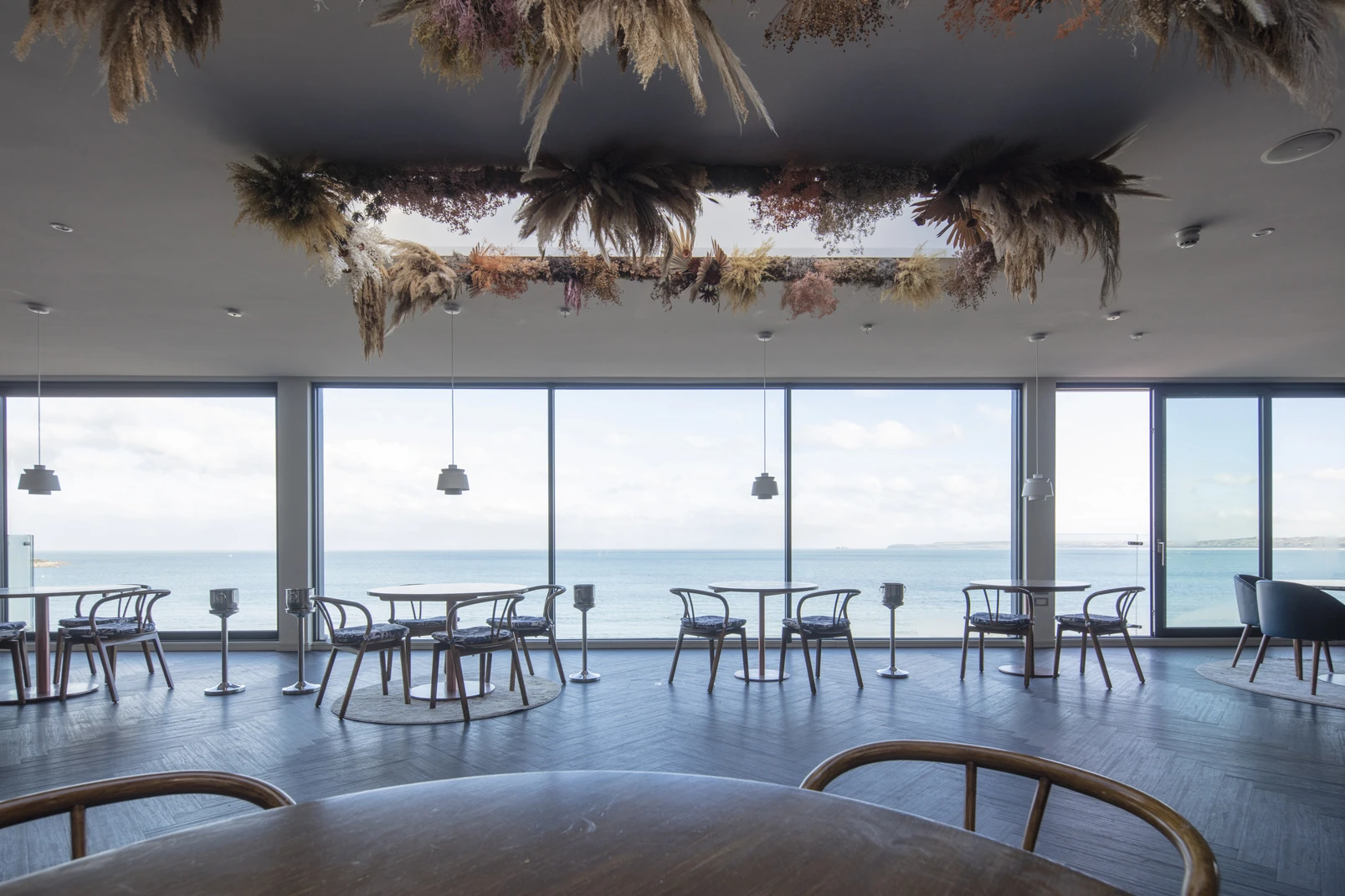
Facades play a defining role in achieving this balance:
Generous glazing helps create inviting lobbies, bars and communal areas
Sleek, elegant profiles support a clean, architectural rhythm
Large sliding or folding openings enable fluid transitions between indoor and outdoor spaces
Architects rely on systems that maintain these qualities while delivering the acoustic, thermal and weather performance required in high-occupancy environments. Aluminium systems such as TENTAL curtain walling, SOLEAL Next windows and doors, and AMBIAL folding doors are frequently specified in this context because they allow strong design expression without sacrificing performance.
Sustainability Driving Specification Decisions
Environmental responsibility is now a strategic priority for many hotel operators and leisure developers. Embodied carbon, operational efficiency and lifecycle value are influencing key decisions from early design thought to long-term management.
One of the most impactful areas is material selection. Aluminium, when responsibly sourced, supports circular design strategies thanks to its durability and infinite recyclability. TECHNAL systems are made with Hydro CIRCAL® 75R as standard, an independently certified aluminium made with a minimum of 75% recycled post-consumer scrap. This significantly reduces the embodied carbon of facade and fenestration packages, helping designers align with sustainability frameworks and corporate carbon emissions.
As refurbishment becomes increasingly central to the hospitality sector - particularly for aging hotel stock - low-carbon, circular materials are enabling architects to modernise buildings without compromising aesthetic or environmental goals.
Creating Architectural Identity
Hotels and leisure buildings often serve as landmarks in their communities. Their facades contribute to how guests perceive a brand, how a building fits within its context, and how it communicates the story of a place. Architectural identity is therefore a crucial part of the design brief.
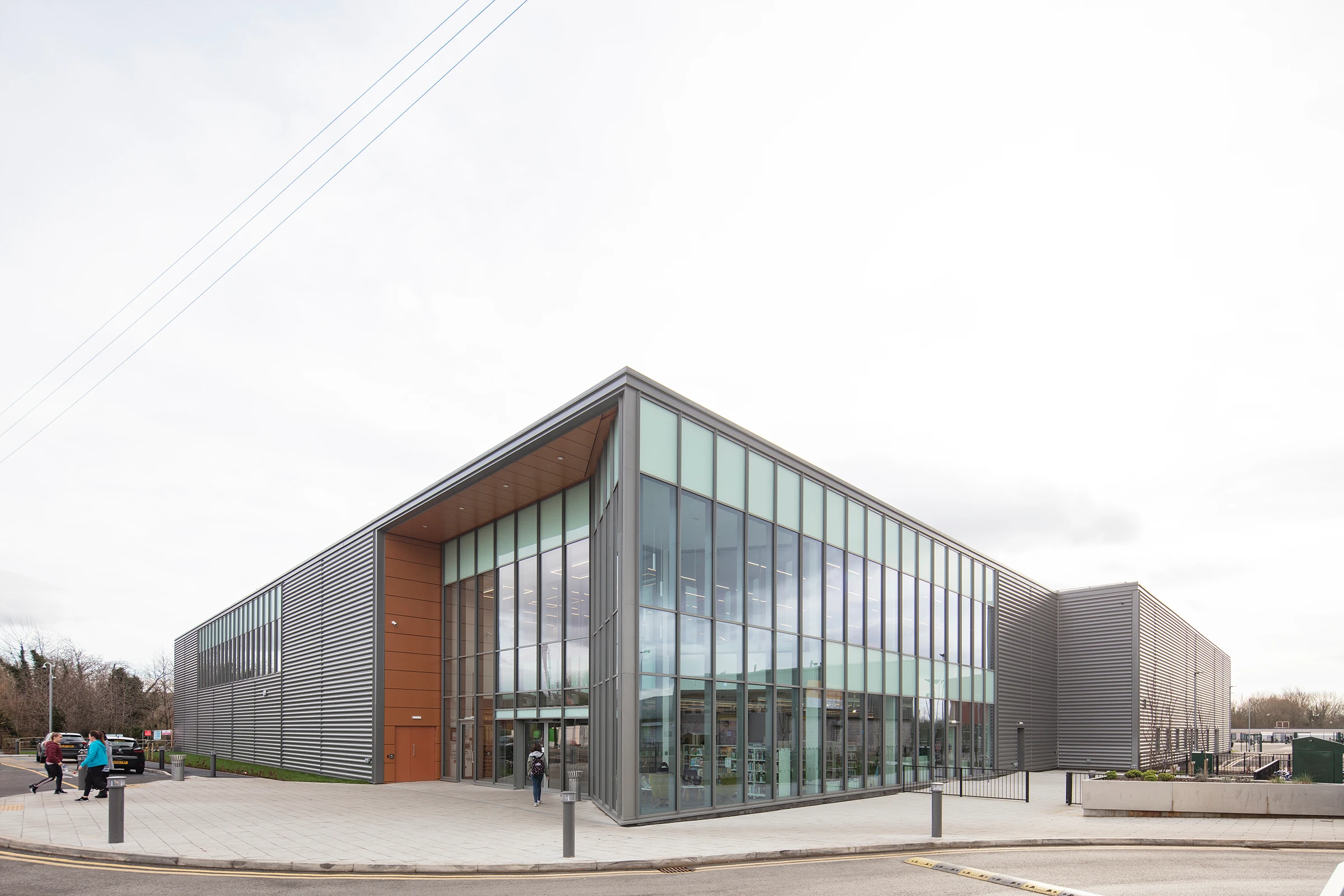
Current design trends include:
Strong geometric compositions that give buildings a memorable silhouette
Carefully orchestrated daylighting to create atmosphere in key spaces
Material combinations that express warmth, refinement or drama, depending on the narrative
Slim-profile glazing to maintain visual continuity and emphasise transparency
High-performance aluminium systems support these ambitions, offering the flexibility to achieve bespoke details, profiles and configurations that strengthen a building's architectural intent.
Performance and Comfort in High-Demand Environments
Hotels and leisure spaces must provide comfort at all times - regardless of changing occupancy levels, urban noise, weather conditions or temperature fluctuations. This places unique demands on facades.
Key performance considerations include:
Acoustic insulation, especially in city hotels near transport links or nightlife
Thermal efficiency to reduce energy demand and support net-zero pathways
Weather resistance for exposed coastal or rooftop environments
Ease of maintenance, given the operational intensity of hospitality spaces
Systems such as SOLEAL Next windows and TIGAL sliding doors are used in these contexts to balance comfort with architectural elegance. For architects, these choices aren't just technical - they directly influence how guests feel in a room, a restaurant or a spa.
Complex Programmes Demand Smarter Collaboration
Hotels and leisure projects often involve multi-layered programmes with mixed-use functions. Digital coordination and early supply-chain involvement are increasingly key to simplifying interfacing risks, especially when integrating large glazed areas, specialised openings or facade elements.
By collaborating early with facade partners, architects gain support on structural considerations, thermal optimisation and system integration. TECHNAL routinely contributes to these stages through design reviews and technical guidance, helping to shape solutions that meet the project's architectural and sustainability ambitions.
Towards a New Era of Hospitality and Leisure Design
The hospitality and leisure sector is at a pivotal moment. Guest expectations are evolving, sustainability targets are tightening, and architectural identity is more influential than ever. Facades - once considered a purely technical component - now sit at the heart of these conversations.
Circular materials such as Hydro CIRCAL®, performance-driven design strategies and close collaboration between architects, developers and facade specialists are helping to shape buildings that feel contemporary, responsible and deeply connected to their users.
Hotels and leisure spaces must be distinctive, resilient and future-ready. The architecture of the facade - from its materials to its proportions and detailing - is essential to achieving that vision.
Explore how we can support your next hotel or leisure project
If you're developing a new hospitality or leisure destination - or reimagining an existing one - our team can provide guidance on facade strategies, low-carbon material options and early stage design considerations.
TECHNAL works collaboratively with architects, developers and facade partners to help realise projects that balance architectural vision, guest experience and long-term performance.
Want to see more?
You may also be interested in
Let's Discuss Your Next Project
From concept design to specification and delivery, our team can help you achieve your design, performance and sustainability goals.
Contact us