Why Retrofitting Existing Buildings Matters for India’s Growing Cities
Improving efficiency, extending asset life and supporting sustainable cities
As India’s cities continue to grow in scale and density, the performance of existing buildings is becoming a critical part of the sustainability conversation. Retrofitting offers a practical pathway to improve energy efficiency, optimize operational costs, and extend asset life — supporting long-term urban development goals while responding to rising expectations around performance, resilience, and responsible construction.
Recent global research from the World Green Building Council highlights a reality that resonates strongly across markets: most of the buildings that will define 2050 are already standing today. Many were designed in a different regulatory era, before energy efficiency, climate resilience and occupant wellbeing became strategic imperatives.
For building owners, developers and consultants, retrofitting is no longer simply a sustainability gesture. It is increasingly a commercial, regulatory and risk management decision.
From energy performance to asset resilience
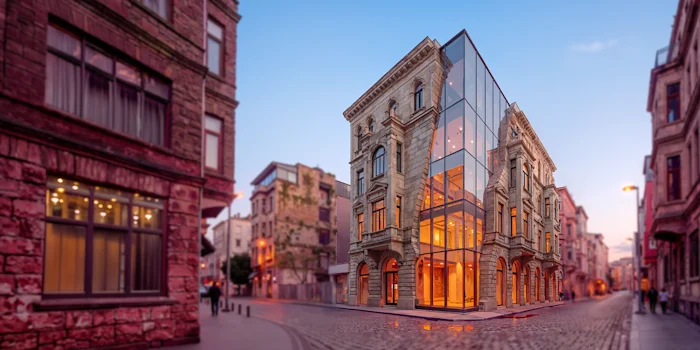
In hot and mixed climates, building envelopes, façades and glazing systems play a critical role in operational performance. Upgrading façades, windows and shading strategies can significantly reduce cooling demand, improve indoor comfort and extend the lifespan of existing assets without the environmental and financial cost of demolition and rebuild.
This is where a façade‑led renovation approach becomes particularly effective. By working with existing structures and upgrading performance-critical elements, retrofit strategies can transform how buildings operate while respecting their original architecture. At TECHNAL, renovation is approached as a way to enhance building performance through adaptable aluminium systems that respond to climate, comfort and longevity requirements. → Learn more about renovating with TECHNAL
Across regions, we are already seeing how targeted retrofit strategies allow buildings to remain competitive as energy codes evolve, ESG expectations rise and operational costs come under closer scrutiny.
Retrofitting as a business decision
Beyond emissions reduction, retrofits deliver tangible business benefits:
Lower operational costs through reduced energy demand
Improved thermal comfort and occupant experience
Protection against regulatory obsolescence
Enhanced asset value in markets increasingly influenced by sustainability criteria
In dense urban centers, retrofit-led upgrades also offer shorter project timelines compared to full redevelopment, allowing assets to return to the market faster.
A strategic opportunity
Markets across the globe are at a pivotal moment. Government‑led sustainability roadmaps, rising performance standards and ambitious net zero targets are creating the conditions for retrofit to scale.
For architects and façade specialists, this presents an opportunity to reimagine existing buildings through high‑performance renovation solutions that align architectural intent with today’s environmental and operational realities.
Retrofitting is not about looking backward. It is about future‑proofing what already exists.
For those interested in the global perspective behind this shift, the World Green Building Council report offers valuable insight into why upgrading existing buildings is becoming central to climate and resilience strategies worldwide.
Source & further reading: World Green Building Council – Building Retrofits: Why upgrade our existing buildings (April 2026)
Want to see more?
You may also be interested in